Native Indian Chief Embroidery Design Review
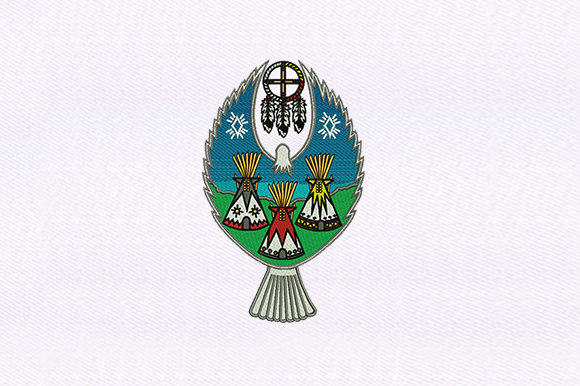
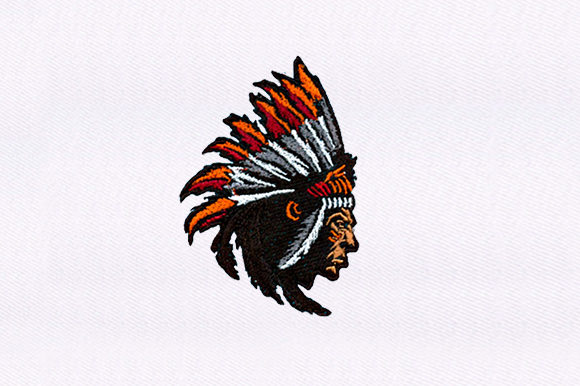
When I first opened the Native Indian Chief embroidery file from Creative Fabrica, I was immediately struck by the presence of the design. This is not a simplified, cartoonish interpretation. It is a side profile of a chief wearing an elaborate feather headdress, rendered with a level of detail that suggests the digitizer understood the importance of texture and depth. For anyone who stitches custom apparel or handmade products with cultural or narrative weight, this design commands attention. The feathers are not just shapes; they carry a layered, almost sculptural quality. The profile itself is strong and dignified. As someone who has tested hundreds of machine embroidery design files for real customer orders, I can tell you that the first impression of Native Indian Chief is one of seriousness and artistic ambition. It feels like a design meant for a premium finished product, not a quick stitch-out.
The mood of this design is powerful and reverent. It does not feel casual. It feels like something you would place on a tote bag design for a museum gift shop, on a sweatshirt embroidery for someone who values heritage, or on a pillow cover meant to be displayed. The stitch density appears high in the feather areas, which tells me the digitizer prioritized realism over speed. This is a design that will stitch out with a painted effect if the thread colors are chosen carefully. The decorative appeal is strong, but it is not whimsical. It is a statement piece. For Etsy sellers and small business owners looking to offer personalized gifts with depth, this design offers a distinct visual mood that can elevate a simple apron or kitchen towel into something that feels collected rather than mass-produced.
First Impressions of the Native Indian Chief Design
Opening the file in my embroidery software, I examined the stitch map closely. The Native Indian Chief design uses a combination of satin stitch for the finer details of the face and headdress ties, and fill stitch for the broader feather sections. The running stitch outlines appear clean and well-placed, which is critical for maintaining shape on textured fabrics. The applique design potential here is minimal because the design relies on dense stitching to create the realistic shading. That is not a negative; it simply means this is a thread-intensive project. The stitch density in the feather area is the first thing I check because dense designs can cause puckering on lightweight fabrics. Based on the preview, I would recommend using a quality stabilizer and testing on a scrap piece of fabric before committing to a final product.
The file details on the Creative Fabrica embroidery product page should confirm the exact hoop size required. From the visual scale, I suspect this design needs at least a 5x7 hoop or larger. If you are planning to stitch it on a cap or a curved surface, you will need to check the dimensions carefully. The design is not tiny. It is a substantial piece that demands space to breathe. For handmade product makers who offer embroidered patches, this design could be rendered as a standalone patch with a merrowed edge, but the density of the feathers might require a backing to keep the stitches flat. The digital embroidery file itself appears well-structured, with no obvious jump stitches that would complicate trimming.
How Native Indian Chief Performs in Real Embroidery Work
I have been imagining how Native Indian Chief would perform on a real customer order. Let me take you through a few scenarios. First, consider a sweatshirt embroidery for a boutique order. Sweatshirt fabric is moderately stretchy, and a dense fill stitch design can cause the fabric to distort if the stabilizer is not sufficient. I would recommend a tear-away or cut-away stabilizer depending on the weight of the sweatshirt. The design itself, with its layered feathers, would look stunning on a dark charcoal or navy sweatshirt, using metallic or high-contrast thread colors for the feathers. The profile of the chief would stand out beautifully. On a tote bag design, the same design would feel like a piece of art. Tote bags are usually made of canvas or cotton duck, which handle dense stitching well. The satin stitch details in the headdress would pop against the heavier fabric.
For baby items or a baby blanket, I would be more cautious. The density of Native Indian Chief might make the fabric stiff, and the design itself feels more appropriate for adult or decor items rather than infant wear. That said, if you are creating a personalized gift for a nursery with a cultural theme, it could work on a wall hanging or a pillow cover rather than a blanket that touches the skin directly. On a cap, the design would need to be scaled down or the hoop size would need to accommodate the curve. The feather details might lose some definition on a curved surface, so I would test on a practice cap before stitching on a final product. For commercial embroidery runs, consistency is key. This design is detailed enough that each stitch-out should be monitored for thread breaks, especially in the dense feather areas.
Practical Considerations for Different Product Types
Let me break down how Native Indian Chief fits into specific product categories that Etsy sellers and handmade shop owners commonly produce.
- Custom apparel: Works well on jackets, vests, and hoodies. The design's width means it can be placed on the back or chest. On a sweatshirt embroidery project, I would use a medium-weight cut-away stabilizer and a ballpoint needle to avoid damaging the knit.
- Tote bag design: Excellent choice. The density of the design adds a premium feel. I would use a heavy tear-away stabilizer and a sharp needle. The design will hold up well to frequent use if the thread is quality polyester or rayon.
- Apron: A great option for a kitchen towel or apron set. The design's subject matter feels appropriate for a rustic or heritage-themed apron. I would recommend testing on a scrap of the apron fabric first because some apron materials are lighter than they appear.
- Pillow cover: This is where the design truly shines. On a linen or cotton pillow cover, Native Indian Chief becomes a decorative focal point. The fill stitch areas will feel soft if the stitches are not too dense, but the stitch density should be checked against the fabric weight.
- Embroidered patch: If you offer embroidered patches for sale, this design could be digitized into a patch format with a border. The feather details would look impressive on a patch, but the density might require a backing material to prevent curling.
- Cap: As mentioned, scaling is critical. The design's height might need to be reduced to fit within a standard cap hoop. The satin stitch details could be affected by the curve, so I would test thoroughly.
- Baby blanket: I would not recommend this design for a baby blanket unless the blanket is used purely for display. The density could make the fabric uncomfortable against skin.
- Kitchen towel: The design is too large and dense for a standard kitchen towel unless the towel is oversized. A smaller version of the design would be more practical for this product.
- Printable mockup: For digital product sellers, this design works well in printable mockup scenarios. You can layer it onto a tote bag or sweatshirt mockup to show customers the finished look. The design's strong silhouette reads well in flat mockups.
Stitching Notes and Technical Tips
After reviewing the Native Indian Chief design file, I have a few practical notes for anyone planning to use it in commercial embroidery or handmade products.
- Test on scrap fabric first. This is non-negotiable. The stitch density in the feather area is high, and you need to see how your specific fabric handles it. I recommend testing on a piece of the exact fabric you plan to use for the final product.
- Check thread color contrast. The design relies on shading within the feathers. If you use thread colors that are too similar, the detail will be lost. I would use at least three shades for the feathers to create depth. A dark background fabric will make the lighter thread colors pop, while a light fabric will require darker thread choices.
- Review stitch density. If your machine struggles with dense designs, consider reducing the density slightly in your software, or use a lighter stabilizer to avoid puckering. The fill stitch areas should be monitored for thread breaks.
- Confirm hoop size. Before you start, check the hoop size required for the design. The file on Creative Fabrica embroidery should list the dimensions. If the design is too large for your hoop, you may need to resize it, which could affect the detail.
- Compare light and dark fabric mockups. I always create a printable mockup on both light and dark backgrounds to see how the design reads. The Native Indian Chief design has a strong silhouette, but the feather details are more visible on lighter fabrics unless you use high-contrast thread.
- Use proper stabilizer. For dense designs like this, a cut-away stabilizer is usually the safest choice. Tear-away can work on sturdy fabrics, but cut-away provides more stability for the satin stitch and fill stitch areas.
- Inspect small details after stitching. After the first stitch-out, examine the face and headdress ties closely. The running stitch outlines should be clean and uninterrupted. If any details are lost, you may need to adjust the thread tension or needle size.
- Confirm file details and licensing. Before selling any finished product made with this design, review the file details and licensing on the Creative Fabrica embroidery product page. Make sure you understand the terms for commercial embroidery use. This is a standard step for any digital embroidery file you purchase.
How This Design Affects Product Value and Brand Perception
In the world of handmade products, the quality of your embroidery directly affects buyer trust and product value. A design like Native Indian Chief can elevate your custom apparel or tote bag design from a simple item to a collectible piece. When a customer sees a detailed, realistic stitch-out, they perceive the product as high-quality and worth a premium price. For Etsy sellers, this translates into better product photography and higher customer engagement. The design's visual impact means it will photograph well, whether on a model or as a flat lay. The feathers create texture that catches light, which is a huge advantage for listing photos.
For small business owners and apparel decorators, consistency is everything. If you stitch this design on a batch of sweatshirt embroidery projects, each one should look identical. The file appears well-digitized, but I would still recommend running a test batch of three to five stitch-outs to confirm that the design behaves the same on each piece. This is especially important for commercial embroidery orders where you are producing multiple units. The handmade presentation of the final product will be stronger if the stitches are clean and the fabric is not puckered.
The design also has strong giftability. A personalized gift featuring Native Indian Chief feels thoughtful and artistic. Whether it is on a pillow cover, a tote bag, or a cap, the recipient will recognize the care that went into the stitching. For craft fair products, this design can be a conversation starter. It has a narrative quality that invites questions and compliments. That kind of engagement is invaluable for boutique merchandise sellers who want to build a loyal customer base.
Finally, for digital product sellers who offer printable mockups or design assets, this embroidery file can be used as a reference for creating mockups that show the design in context. The strong silhouette and detailed shading make it suitable for high-resolution mockups that look professional and appealing to buyers.
Final Thoughts on the Native Indian Chief Embroidery File
After spending time with the Native Indian Chief design, I can say that it is a serious piece of machine embroidery design work. It is not a quick stitch-out for a last-minute gift. It requires attention to stabilizer, thread colors, and fabric choice. But for those who are willing to invest that care, the result is a finished product that looks realistic and commands respect. The design fits naturally into the Africa category on Creative Fabrica, and it carries a sense of cultural weight that should be handled with respect in your product presentation.
For Etsy sellers, small business owners, and creative entrepreneurs, this design offers a way to differentiate your product line. It is not a generic heart or floral. It is a statement. If you are looking for a design that adds depth, texture, and a strong visual presence to your custom apparel or handmade products, Native Indian Chief is worth downloading and testing. Just remember to check the file details and licensing on the Creative Fabrica embroidery product page before you start stitching for sale. A little preparation goes a long way toward a beautiful stitch-out and a product that your customers will treasure.