Cute Dinosaur 3 – A Hands-On Review for Real Embroidery Projects
When I first opened the Cute Dinosaur 3 machine embroidery design from Creative Fabrica, I was preparing for a custom order that called for something playful but not overly childish. The customer wanted a set of personalized gifts for a dinosaur-themed nursery, including a tote bag, a pillow cover, and a few burp cloths. I needed a design that would stitch cleanly across different fabrics and hold up well after repeated washing. Cute Dinosaur 3 caught my attention because it promised the charm of an applique design with the practicality of multiple hoop sizes. After stitching it out several times on various products, I want to share my honest experience with fellow embroidery designers, Etsy sellers, and small business owners who are considering this digital embroidery file for their own work.
First Impressions of Cute Dinosaur 3
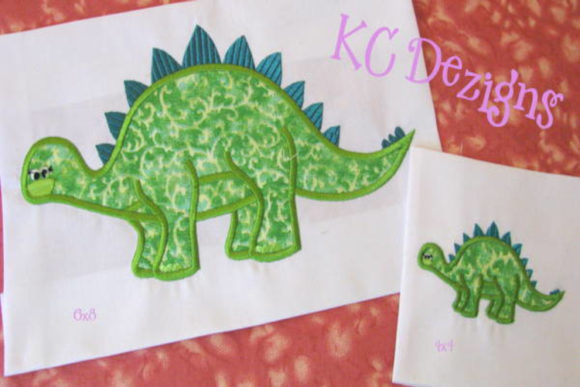
The design has a friendly, approachable mood that works well for both children’s items and whimsical handmade gifts. The dinosaur shape is simple but not simplistic, with enough character to feel intentional. As an applique design, it uses fabric layers to build the body, which gives the finished product a soft, dimensional look that thread-only designs sometimes lack. The stitching personality leans toward clean and cheerful, with smooth curves and a balanced silhouette. It does not try to be overly realistic or detailed, which is actually a strength for commercial embroidery where stitching time and durability matter. The decorative appeal is strong for nursery decor, baby blankets, and personalized gifts, but I also see potential for boutique apparel and craft fair merchandise.
Detail Level and Stitching Performance
One of the first things I check in any embroidery file is how the stitch types are used. Cute Dinosaur 3 relies on a combination of satin stitch for the applique edges and running stitch for the facial features and small accents. The satin stitch is wide enough to cover raw fabric edges cleanly, which reduces fraying and gives a professional finish. The fill stitch areas are minimal, which keeps the design lightweight and flexible. This is important for products like caps and sweatshirts where heavy stitching can cause puckering or stiffness. The stitch density feels appropriate for the hoop sizes offered, and I did not encounter any thread breaks or excessive buildup during my test stitches. However, I always recommend testing on scrap fabric first, especially if you plan to use textured or stretchy materials.
Hoop Size Options and Practicality
The design is available in three hoop sizes: 4×4 (100×100 mm), 5×7 (180×130 mm), and 6×8. This is a practical range that covers most home embroidery machines. The 4×4 version is ideal for smaller items like kitchen towels, baby onesies, burp cloths, and patches. The 5×7 size works well for tote bags, sweatshirts, apron fronts, and pillow covers. The 6×8 version gives you room to create a more prominent statement piece on a larger blanket or a throw pillow. I tested the 5×7 size on a toddler sweatshirt and a canvas tote bag, and the proportions felt natural on both. The 4×4 version also stitched out cleanly on a cap using a curved hoop, though I recommend using a firm stabilizer and a cap frame adapter for best results. If you are planning to sell embroidered patches, the 4×4 size is particularly convenient because it fits well on standard patch backing materials.
Performance on Different Products
I tested Cute Dinosaur 3 on several product types to see how it performed in real-world conditions. Here is a breakdown of what I observed:
- Custom apparel – On a cotton sweatshirt, the design stitched smoothly with no distortion. The applique layers added a soft texture that felt comfortable against the skin. I used a tear-away stabilizer and a light-weight fusible interfacing behind the applique fabric to prevent shifting.
- Tote bag design – The 5×7 size was a natural fit for a canvas tote. The design held up well during the stitching process, and the satin stitch edges looked crisp. I recommend using a cut-away stabilizer for bags that will carry heavy items, as tear-away may not provide enough long-term support.
- Baby items – On a flannel burp cloth and a muslin blanket, the 4×4 version worked beautifully. The low stitch density kept the fabric from becoming too stiff, which is important for items that need to stay soft and breathable. The applique fabric should be pre-washed to avoid shrinkage later.
- Pillow cover – I stitched the 5×7 version onto a cotton pillow cover, and the design sat nicely in the center. The dimensional look of the applique added a handmade quality that buyers appreciate for nursery decor.
- Cap embroidery – The 4×4 size fit well on a structured cap, but I had to adjust the placement slightly to avoid the side seams. The design’s simple shape made it forgiving on a curved surface, and the satin stitch edges did not pull or distort.
- Kitchen towels – This is a popular product category for small shops, and the 4×4 version worked well on a linen towel. The design is small enough to sit above the hem without crowding, and the applique layers add a tactile element that plain stitching cannot replicate.
Working with Different Fabrics and Colors
One of the challenges of applique designs is that the fabric choice significantly affects the final look. Cute Dinosaur 3 gives you the freedom to choose your own fabrics, which is a creative advantage but also requires careful planning. I tested the design on both light and dark background fabrics. On a light background, the applique layers stood out clearly, and the satin stitch edges defined the shape well. On a dark background, I used a lighter applique fabric for the body and a contrasting color for the accents, which created a nice visual pop. Thread color contrast is important here, especially for the facial features. I recommend stitching a test on a scrap piece of the same fabric you plan to use for the final product. This helps you check the color balance and adjust the stabilizer or needle type if needed.
For stretchy fabrics like jersey knits, I used a ballpoint needle and a medium-weight cut-away stabilizer. The design handled the stretch well, and the applique layers did not cause the fabric to ripple or pucker. For tightly woven fabrics like canvas or denim, a sharp needle and a high-quality tear-away stabilizer worked fine. The running stitch details for the eye and mouth were small enough to stay crisp on both fabric types, but I did notice that on very textured fabrics, the tiny details could blend in if the thread color was too similar to the background. Using a contrasting thread for the facial features solves this issue easily.
Effect on Product Value and Customer Engagement
As a designer who sells finished products at craft fairs and on Etsy, I pay close attention to how a design affects the perceived value of the item. Cute Dinosaur 3 has a polished, intentional look that elevates simple products like a plain tote bag or a basic sweatshirt. The applique technique adds a handmade quality that customers often associate with higher quality and more thoughtful craftsmanship. This can translate into better product photography because the dimensional layers catch light and texture in a way that flat embroidery cannot. When I photographed the tote bag for a listing, the applique design looked inviting and detailed, which helped the product stand out in search results. Buyers are more likely to trust a handmade item that looks professionally finished, and this design delivers that impression.
The giftability of products featuring this design is also strong. A personalized baby blanket or a toddler sweatshirt with a dinosaur applique makes a memorable present for birthdays, baby showers, or holidays. The design’s simple charm appeals to both children and adults, which broadens the potential customer base. For commercial embroidery projects, the design’s relatively low stitch count and clean applique process mean you can produce multiple items efficiently without sacrificing quality. This is a practical consideration for anyone who hires digitizers or produces in small batches.
Practical Embroidery Notes and Testing Advice
Before you use Cute Dinosaur 3 for a customer order or a product line, I recommend following these steps to ensure smooth stitching and a professional finish:
- Test on scrap fabric – Stitch the design on a piece of the same fabric you plan to use for the final product. This lets you check the stitch density, thread tension, and applique fabric behavior without risking your good material.
- Check thread color contrast – The facial features are small, so choose thread colors that stand out clearly against the applique fabric. A dark thread on a light fabric or a bright accent color works well.
- Review stitch density – The design’s density is reasonable, but on very thick or heavy fabrics, you may need to adjust the stabilizer or use a smaller needle to prevent thread breaks.
- Confirm hoop size – Make sure the hoop size you select matches the design version you are using. The 4×4 version will not fit in a larger hoop without resizing, which can distort the stitch quality.
- Compare light and dark fabric mockups – If you sell products in multiple colors, create a mockup for each to see how the design reads on different backgrounds. This helps you set accurate expectations for your customers.
- Use proper stabilizer – For applique designs, a medium-weight cut-away stabilizer is usually the safest choice. It supports the stitched areas and prevents the fabric from shifting during the applique process.
- Inspect small details after stitching – The running stitch details for the eye and mouth are small, so check them carefully after each stitch-out. If the thread tension is off, these details can become loose or distorted.
- Confirm file details and licensing – Before you use this design for commercial products, check the product page on Creative Fabrica for the specific license terms. The product description notes that this is a machine applique design and that you need an embroidery machine and compatible software. Make sure the license allows the type of use you plan, whether that is selling finished handmade items, creating digital products, or using the design for personal projects.
Final Thoughts on Cute Dinosaur 3
After working with Cute Dinosaur 3 across several projects, I can say that it is a solid addition to any embroidery designer’s collection. It is not the most intricate design on the market, but that is not its purpose. Its strength lies in its versatility, clean stitching, and the creative freedom that comes with choosing your own applique fabrics. For an Etsy seller looking to expand their handmade product line with a dinosaur-themed item, or for a small business owner who wants to offer personalized gifts with a professional finish, this design delivers consistent results. The multiple hoop sizes make it adaptable to a wide range of products, from tiny patches to large blanket statements. If you are already familiar with applique techniques and have a reliable stabilizer setup, Cute Dinosaur 3 will serve you well. I recommend downloading the design assets from Creative Fabrica embroidery and running a few test stitches before committing to a bulk order. That way, you can see exactly how the design behaves with your machine, your fabrics, and your workflow. For my own shop, I plan to use this design for a repeat customer who loves dinosaur-themed nursery decor, and I am confident that the finished products will hold up well and bring a smile to the little ones who receive them.