Transparent Sunglasses: A Craft Fair Design Review
As an embroidery designer who spends weekends behind a craft fair table, I’m always searching for machine embroidery designs that stop traffic. When I reviewed the Transparent Sunglasses embroidery file, I knew it had serious potential for the right maker. It sits in the Beauty category, and let me tell you, this isn’t just a cute file—it’s a strategic asset for your booth. But like any digital embroidery file, its success depends on how you produce, position, and price it. Let me walk you through what I see when I look at this design for my own handmade product line.
First Impressions: Chic, Modern, and Market-Ready
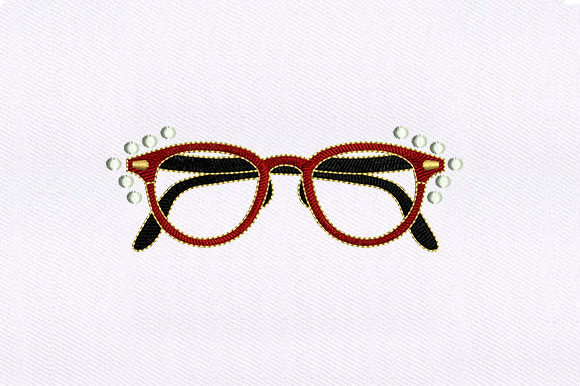
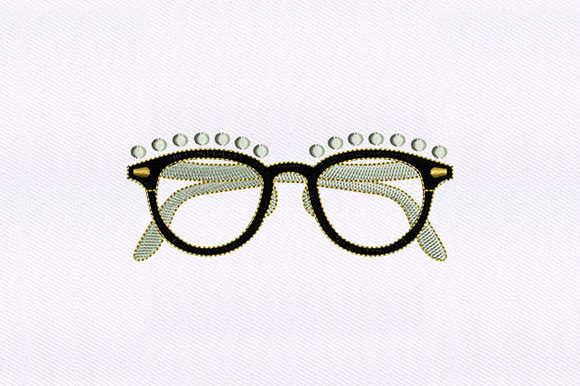
First off, the name Transparent Sunglasses immediately sets a modern, chic, and slightly minimalist tone. This isn’t a rustic farmhouse sunflower or a traditional floral. It’s contemporary, fashion-forward, and perfect for the Beauty and lifestyle niche. It appeals to customers who love bold accessories, summer fashion, and clean, graphic lines. In a crowded craft fair, this design can act as a magnet for a younger, style-conscious demographic. It feels premium, versatile, and effortlessly cool. The "transparent" aspect suggests a lightness to the design, likely using open areas or delicate fills that create a sophisticated, airy feel. This is a huge advantage for a craft fair product looking to stand out from heavily dense, traditional embroidery.
Where It Shines: Products for the Handmade Booth
Let’s get into the real case scenario. I’m prepping for a weekend market, and I’m evaluating which products will carry this design best. The Transparent Sunglasses design is surprisingly versatile across different surfaces.
Tote Bags and Market Bags
This is where Transparent Sunglasses truly shines. Placed prominently in the center of a canvas tote, it becomes a statement piece. It’s large enough to be seen from across the aisle, and the modern vibe makes the tote feel like a boutique accessory rather than a utility item. As a tote bag design, it offers high visibility and a high perceived value. Customers will see it as a fashion-forward accessory, not just a bag.
Caps and Visors
An embroidered patch version of this design on a classic dad hat or a sporty visor would be a runaway hit. It fits the Beauty category perfectly and offers a low-cost, high-perceived-value item for your booth. It catches the eye immediately and feels very current for summer markets.
Aprons and Tea Towels
For a more muted, elegant look, use it as a smaller accent on a hostess apron or a linen tea towel embroidery project. It adds a touch of modern sophistication to kitchen gifts. It suggests a stylish, curated home, which is a powerful selling point for handmade products.
Patches, Pouches, and Pillow Covers
This is a no-brainer. Embroidered patches are quick to produce and sell. The Transparent Sunglasses design, with its likely simple satin or tatami fills, makes for a crisp, durable patch. Sew it onto a cosmetic pouch, a small zippered bag, or a trendy throw pillow cover, and you have a cohesive "Beauty" themed product set. It elevates a simple small shop product into a coordinated collection.
Production and Selling Points
From a production standpoint, this design is a workhorse. Its clean lines and straightforward structure mean it’s highly repeatable for batch production. You can easily stitch it out multiple times in a row without complex thread changes or density issues. This is critical for commercial embroidery and meeting the demands of a busy craft fair season.
It photographs beautifully. For online listings on Etsy or Instagram, Transparent Sunglasses pops against a clean background. This is a huge advantage for digital sellers and Etsy sellers. The design itself acts as a visual hook. You can easily create a printable mockup for your shop banner or product listings, which helps build a strong brand identity.
It works as both a small accent and a large focal design. This scalability is rare and valuable. A small version on a collar or pocket is just as charming as a large version on a beach bag. This flexibility makes it a core part of your design assets.
Watch Out! Practical Production Notes
Now, let’s talk about the "watch out" factors. Every experienced embroidery designer knows the pitfalls. The "transparent" nature of the design requires careful planning.
Stitch Density and Tiny Details
"Transparent" implies the lenses might have a specific fill or open feeling. Ensure the stitch density is balanced. If the design has very thin frames or small details, they might get lost in textured fabrics like thick terry towels or fleece. Fabric texture is your biggest variable here. A dense tea towel might work, but a fluffy bath towel could swallow the details. For thick fabrics, use a topper and a medium-weight cutaway stabilizer to keep the "Transparent" look crisp.
Dark Fabrics and Thread Contrast
The "Transparent" aspect of the design might rely on specific thread colors or a lack of fill. On a dark fabric (like a black tote), the design might read as a solid outline. You need to check the thread contrast. Light, bright threads on dark fabric will make the design pop. Dark threads on dark fabric will get lost. This is a classic test you must perform before production.
Curved Surfaces and Cap Frames
On a cap, the design needs to be digitized to handle the curve. Check the embroidery file formats provided to ensure they work in your software. You may need to adjust the height of the design for a cap to avoid distortion. Test it on a scrap cap frame first.
Embroidery Designer’s Checklist for Success
Before you sew this out for a craft fair, here is my non-negotiable checklist:
- Test Scrap: Always. Test the design on the exact fabric you plan to use for your finished product. This is non-negotiable for any machine embroidery design.
- Thread Contrast: Hold your thread colors against the fabric. Does the "Transparent" look work? If the design is mostly outlines, use a heavier weight thread or a bold color to make it stand out.
- Hoop Size and Stabilizer: Confirm the hoop size needed for the largest size of the design. Use a firm stabilizer. For a tote bag, medium-weight cutaway is best. For a delicate blouse, tearaway might work.
- Mockup for the Booth: Create at least one physical mockup. A well-embroidered tote bag or cap with this design will sell itself. Use it as a display piece to attract attention.
- Commercial Licensing: The file comes in formats like 10O, ART, CND, DSB, DST, DSZ, EXP, HUS, JEF, PES, TAP, VIP, VP3, and XXX. You must verify the commercial license terms for the Transparent Sunglasses design. Most digital embroidery files allow you to sell the finished product, but always double-check. You don’t want to build a booth inventory and then have a licensing issue.
Booth Display Strength and Buyer Engagement
How does it affect customer attention? In a booth, visual hierarchy is everything. Transparent Sunglasses is a conversation starter. It invites the customer to engage with the Beauty and lifestyle aspect of your brand. Group it with other summer-themed items. Use a bright, contrasting thread color to create a "wow" factor. This design adds a layer of handmade quality and brand consistency. It shows you are keeping up with trends, which is crucial for attracting a modern audience.
Transparent Sunglasses is more than just a machine embroidery design. It’s a ticket to attracting a modern, fashion-conscious buyer at your next craft fair. It works on tote bags, caps, patches, and pouches. It photographs well, stitches out reliably, and offers a high perceived value for the Beauty and accessories market. My advice: download the file in your preferred format (DST, PES, or JEF), run a few tests, and stitch it out. I think you’ll find it’s a solid addition to your handmade product lineup. Now get to that booth and sell some sunglasses!