Satyr in a Forest Design: Craft Fair Review
As an embroidery designer who has prepped countless weekend booths and watched customers pause, pick up, and put back items, I have learned to judge a machine embroidery design by how it performs in real selling conditions. When I first looked at the Satyr in a Forest Design, I immediately thought about how it would read on a tote bag sitting on a crowded table, whether it would catch someone walking past, and if it would feel worth the asking price. This review is a practical walk-through of what I see in this embroidery file and how I would use it to build a craft fair product lineup that actually sells.
First Impressions of Satyr in a Forest Design
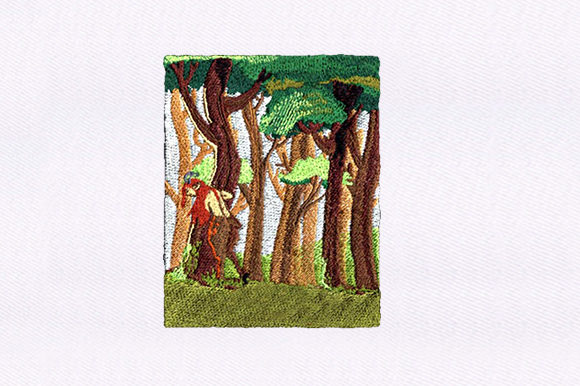
The title alone sets a mood. Satyr in a Forest Design suggests a mythological or fantasy theme with a forest backdrop. That places it in a sweet spot for handmade product buyers who are drawn to nature, folklore, and whimsical imagery. It is not a generic flower or a simple monogram. It has character. That is a huge advantage for a small shop product because customers are looking for something that feels unique and personal. The design feels premium and decorative, with a touch of rustic storytelling. It is not farmhouse minimal, and it is not cute in a cartoon way. It leans toward elegant and artistic, which makes it suitable for a range of buyers who appreciate detail and meaning in their finished product.
For a booth, this design would stand out among simpler offerings. It invites conversation. Someone might ask, "What is that?" and that opens the door to talk about the design, the myth, the forest theme. That kind of engagement is gold for a seller. It also means the embroidery file needs to hold up visually at a glance. If the detail is too fine or the stitch density too high, it might blur from a distance. I would want to see a test stitch-out before committing to a batch.
Best Product Applications for the Satyr in a Forest Design
After working with many machine embroidery design files for commercial embroidery runs, I have a clear sense of where this design will shine and where it might struggle. Here is how I would match it to products.
Tote Bags and Market Bags
A tote bag design is a natural home for Satyr in a Forest Design. The surface area allows the forest elements and the satyr figure to read clearly. I would stitch it centered on a natural cotton or linen tote. The earthy fabric texture complements the forest theme. This design would work well as a medium-to-large focal design. It has enough visual weight to justify a higher price point. For a booth, I would display one tote standing upright, with the design facing the aisle. Customers walking past should see it from at least a few feet away. If the stitch count is high, make sure the hoop size is large enough to accommodate the full design without distortion.
Apron Embroidery
An apron embroidery piece featuring the Satyr in a Forest Design would appeal to home bakers, gardeners, and anyone who likes a bit of personality in their kitchen wear. I would place it on the bib or the lower front panel. The design's forest theme pairs well with earthy apron colors like olive, tan, or deep green. Because aprons are often worn close to the body, the design should not be too large or heavy. Check the stitch density to ensure it does not make the fabric pucker or feel stiff. A lightweight design would be ideal for this application.
Tea Towel Embroidery
For tea towel embroidery, the Satyr in a Forest Design could work as a smaller accent or a larger centerpiece. Tea towels are a staple for Etsy seller shops and craft fairs because they are affordable and easy to produce in bulk. The design would need to be sized down carefully. I would test it on a scrap towel first to see if the details hold at a smaller size. If the design has fine lines or tiny elements, they might get lost in the towel's weave. A stabilizer that dissolves or tears away cleanly is essential here.
Embroidered Patch
An embroidered patch version of the Satyr in a Forest Design is a smart move. Patches are low-risk, high-margin handmade product items. They can be sewn onto jackets, backpacks, hats, or pouches. The design's forest and mythological theme would appeal to a niche audience that values unique patches. I would make sure the patch has a clean edge and that the thread colors are well-chosen. A dark background fabric for the patch could make the design pop. Patches are also easy to display in a booth on a small board or pinned to a sample bag.
Caps and Hats
Embroidering the Satyr in a Forest Design on a cap is possible but requires care. Curved surfaces can distort a design. The satyr figure and forest elements need to be placed on the front panel where the curve is minimal. Hoop size constraints on caps mean the design might need to be smaller. I would test the embroidery file on a cap sample to see if the detail holds. If the design has dense stitches, they might cause the cap fabric to pucker. A cap with a structured front and a stabilizer behind the design area is recommended.
Pillow Covers and Fabric Pouches
For home decor, a pillow cover with the Satyr in a Forest Design would be a statement piece. The design's forest theme fits well with a cozy, natural aesthetic. I would use a linen or cotton blend fabric. A fabric pouch or small zippered bag could also work. The design would need to be scaled to fit the pouch size. For a booth, I would display one pillow with the design prominently visible and a few pouches nearby as a lower-priced option. This creates a product family that encourages multiple purchases.
Handmade Gifts and Booth Samples
The Satyr in a Forest Design also works well as a handmade gift item. A small embroidered pouch or a tea towel with this design could be sold as a gift-ready piece. I would create a few printable mockup images for online listings, showing the design on different products. For the booth, I would have one sample of each product type so customers can see the quality in person. A digital embroidery file version could also be sold to other makers, but only if the commercial embroidery license allows it.
Practical Production and Selling Considerations
When I evaluate any machine embroidery design for a craft fair product, I think about how easy it is to understand at a glance. The Satyr in a Forest Design has a narrative quality that draws the eye. Customers will pause to look at it, which is the first step to a sale. The design works as a focal piece on bags and aprons, but it could also serve as a decorative accent on smaller items if scaled properly.
For commercial embroidery production, batch consistency matters. I would run a test stitch-out on the intended fabric before committing to a large run. Check the thread colors against the fabric to ensure good contrast. If the design has dark forest tones, it might not show well on dark fabric. Light or medium fabric colors would be safer. Also, consider the hoop size needed. If the design requires a large hoop, you may need to adjust your production workflow.
Photography for online listings is another key point. The Satyr in a Forest Design should photograph well because of its detail and contrast. I would take close-up shots that show the texture of the stitches and the forest elements. For Etsy seller shops, having multiple printable mockup images showing the design on different products increases listing appeal. A digital embroidery file can be marketed with these mockups to other crafters.
Careful Use Notes for Satyr in a Forest Design
Every embroidery file has its quirks, and the Satyr in a Forest Design is no exception. Here are the specific points I would watch out for:
- Dense stitch areas: If the forest background or the satyr figure has dense stitching, it can cause the fabric to pucker or become stiff. I would test on a scrap piece first and adjust the stabilizer type accordingly. Use a cut-away stabilizer for dense designs on stretchy or woven fabrics.
- Tiny details: The satyr and forest elements might include small leaves, branches, or facial features. These details can lose clarity at smaller sizes. If you plan to use the design on a tea towel or pouch, size it up slightly to preserve the detail. Avoid scaling down too much.
- Small lettering: If the design includes any text or small lettering, it may not read well on textured or dark fabric. Test it before production. Fabric texture can cause small letters to blur.
- Thick fabric: On thick fabrics like canvas or denim, the design may need a larger needle and a stronger stabilizer. Check the stitch density to avoid needle breakage.
- Textured towels: For tea towel embroidery, the weave of the towel can absorb detail. Use a water-soluble topper to keep the stitches crisp.
- Curved cap surfaces: As mentioned, caps are tricky. The design should be placed on the center front panel where the curve is minimal. Use a cap frame and a firm stabilizer.
- Dark fabric: If the design uses dark thread colors, it will not show up well on dark fabric. Choose a lighter fabric or use contrasting thread colors. A white or cream fabric would make the forest elements pop.
- Clarity at smaller sizes: If you need to scale the design down for a pouch or patch, test it first. Some details may become muddy. The embroidery file format should allow for scaling, but always verify the result.
Embroidery Designer Notes for Production Success
Before you start stitching the Satyr in a Forest Design for your booth, here are the practical steps I take with any new machine embroidery design:
- Test on scrap fabric: Always stitch a sample on the exact fabric you plan to use. This reveals any issues with stitch density, thread tension, or design alignment.
- Check thread contrast: Hold the thread colors against the fabric in natural light. If the design blends into the background, choose a different fabric or thread combination.
- Review spacing: Make sure there is enough margin around the design for the hoop size you are using. The design should not be placed too close to seams or edges.
- Confirm hoop size: The embroidery file formats 10O, ART, CND, DSB, DST, DSZ, EXP, HUS, JEF, PCS, PEC, PES, TAP, VIP, VP3, and XXX are all supported, but you need to check the actual dimensions of the design in your software. Make sure it fits your hoop.
- Inspect stitch density: If the design has areas of very high stitch density, consider using a heavier stabilizer or reducing the density in your software if possible. High density can cause fabric distortion.
- Use the right stabilizer: For woven fabrics, a cut-away stabilizer is usually best. For towels, a water-soluble topper helps keep stitches clean. For caps, a firm stabilizer is essential.
- Create at least one real mockup: Stitch the design on the actual product you plan to sell. This gives you a finished product to photograph and display. It also helps you judge the true visual impact.
- Compare fabric colors: Test the design on a few different fabric colors to see which one makes the design look its best. A light or medium background often works well for a forest-themed design.
- Confirm commercial licensing: Before selling any finished product with the Satyr in a Forest Design, check that your digital embroidery file license allows commercial use. Some licenses restrict the number of items you can sell or require attribution. Always read the terms.
Once you have a clean test stitch-out, you can confidently produce a batch of craft fair product items. The Satyr in a Forest Design has the potential to be a strong seller if you match it to the right products and take care with production. Its mythological and forest theme appeals to a specific but engaged audience. With thoughtful display and good photography, it can become a standout piece in your booth and a reliable addition to your small shop product lineup.
Whether you are an Etsy seller, a digital seller, or a creative entrepreneur building a handmade product business, this design offers a unique opportunity to differentiate your offerings. The key is to test, adapt, and present it in a way that highlights its storytelling quality. Satyr in a Forest Design is not just a pattern. It is a conversation starter, a piece of art, and a product that can elevate your commercial embroidery work. Treat it with the same care you would give any design assets, and it will reward you with customer interest and sales.