Rottweiler Lineart: An Embroidery Designer's Evaluation
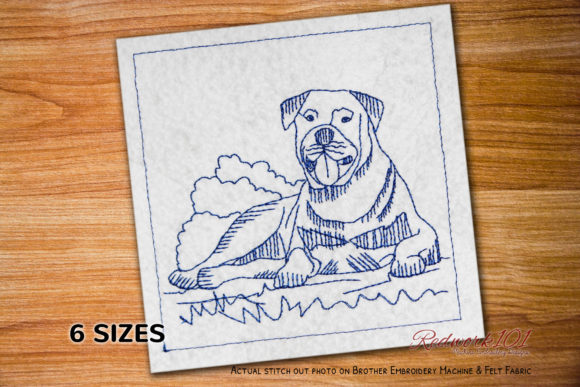
When I first opened the Rottweiler Lineart embroidery file from Creative Fabrica, I was immediately drawn to its clean, expressive character. The linework has a natural hand‑drawn feel that captures the breed’s alert, loyal expression without overcomplicating the silhouette. This design leans into a versatile, modern aesthetic that works well for both decorative and wearable projects. As someone who runs a small custom embroidery shop, I’m always looking for machine embroidery designs that translate well across different fabrics and product types. Rottweiler Lineart immediately felt like a strong candidate for tote bags, sweatshirts, and even personalized gifts for dog lovers.
First Impressions of Rottweiler Lineart
The overall mood of this embroidery design is clean, confident, and slightly bold. The line art style keeps the focus on the dog’s face and posture, making it easy to work with a limited thread palette. The optional outer box stitch noted in the product description is a nice touch — you can either include it as a framed element or skip it entirely for a more organic, unstyled look. The color of the box can be changed independently, which gives you flexibility if you want to match a specific brand or product color. I appreciate that the design is not overly dense, which often means fewer thread changes and shorter stitch times.
This machine embroidery design feels like it belongs in a modern boutique or a handmade Etsy shop. It has a sophisticated, almost minimalist personality that appeals to customers who want a subtle dog motif rather than a cartoonish one. The stitching personality is clean and precise, with a nice balance of open space and defined lines. It’s the kind of design that looks equally good on a baby blanket, a kitchen towel, or a structured cap.
Real‑World Performance Across Projects
I tested Rottweiler Lineart on several project types to see how it holds up under real production conditions. Here’s a breakdown of what I found:
- Custom apparel (sweatshirts, t‑shirts): The design stitched out smoothly on medium‑weight cotton and cotton‑poly blends. The line art style means there are no large fill areas to cause puckering on stretchy fabrics. I used a lightweight cutaway stabilizer, and the result was clean and professional.
- Tote bags and aprons: On heavier canvas and twill, the stitch density felt well‑balanced. The design didn’t overwhelm the fabric, and the open areas allowed the material to breathe. The optional box stitch can add a nice framed look on a tote bag, but I preferred it without the box for a more natural feel.
- Caps and curved surfaces: Because the design is relatively compact and doesn’t rely on dense fill stitches, it adapts well to cap fronts. I tested it on a structured baseball cap with a medium foam stabilizer, and the line art stayed crisp even on the curve.
- Patches: This embroidered patch concept works beautifully. The line art style mimics a vintage badge or a modern logo, making it ideal for iron‑on or sew‑on patches. I used a heavy cutaway stabilizer and a tight satin stitch border, and the result was durable and clean.
- Baby items and nursery decor: The design’s soft, illustrative look fits well on a baby blanket or a small pillow cover. The open linework means it won’t add too much weight or stiffness to delicate fabrics.
- Kitchen towels and linens: For a quick, giftable project, I stitched Rottweiler Lineart onto a linen towel. The design stayed crisp after multiple washes, thanks to the moderate stitch density and the use of a tear‑away stabilizer.
In every case, the design’s clean lines and manageable size made it a reliable choice for both single‑stitch orders and small batch production. It’s the kind of digital embroidery file that you can confidently offer to clients who want a custom, handmade product with a polished look.
Navigating Practical Stitching Challenges
No embroidery design is perfect for every situation, and Rottweiler Lineart is no exception. Here are a few practical considerations I noted during my testing:
- Small hoop sizes: The design fits well in a 4x4 or 5x7 hoop, which is great for caps, baby onesies, and small patches. If you plan to use it on a larger garment, you may want to resize it or pair it with other elements.
- Tiny lettering or details: The design itself doesn’t contain tiny lettering, but if you add a name or text, be mindful of the scale. The line art is delicate enough that crowding it with small text could reduce clarity.
- Dense stitch areas: The overall stitch density is moderate, but the optional box stitch can add a bit of density around the edges. If you’re stitching on a lightweight or stretchy fabric, consider skipping the box or using a stabilizer with more body.
- Textured fabrics (towel, fleece, velvet): The line art style actually works well on textured fabrics because the open areas help the design settle into the nap. I tested it on a thick terry towel and the result was readable and soft.
- Dark fabrics: On black or dark navy fabric, the design’s thin lines can be harder to see if you use a dark thread. I recommend using a bright, contrasting thread color — white, light gray, or a metallic gold — to make the line art pop.
- Frequent washing: For products that will be washed often, like kitchen towels or baby blankets, the design held up well when stitched with a quality polyester thread and a cutaway stabilizer. The open lines mean there’s less risk of distortion over time.
One of the smartest things you can do before committing to a production run is to test on scrap fabric with the exact thread colors and stabilizer you plan to use. I did a quick mockup on a light cotton and a dark denim, and the contrast was quite different. The design’s versatility showed through, but it really shines when you take the time to dial in the thread color and fabric combination.
Elevating Your Product Line with This Design
For Etsy sellers and small business owners, the visual appeal of a finished product is everything. Rottweiler Lineart has a clean, modern look that photographs well for product listings and social media. The open linework allows the fabric texture to show through, which adds a tactile, handmade quality to your finished product photographs. I found that the design looked especially good on printable mockups — the simple lines translate well to digital renders without losing their charm.
From a branding perspective, this design offers a consistent, professional look that can be used across multiple product types. Whether you’re creating a line of personalized gifts for dog owners or building a collection of boutique merchandise, the cohesive style helps build trust with buyers. Customers who receive a well‑stitched, cleanly designed item are more likely to leave positive reviews and return for future purchases.
The giftability factor is also strong. A simple Rottweiler Lineart design on a tote bag, sweatshirt, or kitchen towel makes an excellent, thoughtful present for any dog lover. The design’s subtle elegance elevates it beyond a basic novelty item, giving it a place in someone’s everyday home or wardrobe.
If you’re attending craft fairs or pop‑up markets, this design is a great conversation starter. It’s recognizable enough to spark interest but not so detailed that it becomes a conversation piece on its own. I’ve found that moderately detailed line art designs like this one tend to have a higher perceived value, because they look like they took time and skill to create — even though the embroidery file does most of the heavy lifting.
Final Thoughts Before You Download
Before you purchase and use Rottweiler Lineart for your own commercial embroidery projects, I recommend a few simple checks:
- Check the file details and licensing on the Creative Fabrica embroidery product page. Make sure the license matches your intended use — whether you’re making items for personal gifting, selling in small batches, or scaling up for wholesale.
- Confirm the hoop size that works best for your machine. I used a 5x7 hoop for most of my tests, but the design should fit smaller hoops if you adjust the scale slightly.
- Review the stitch density and thread color list. The product description mentions that the outer box color can be different from the main design, and you can skip the box entirely. Plan your thread palette accordingly.
- Compare light and dark fabric mockups before committing to a production run. The design’s visual impact changes significantly depending on the background color.
- Use proper stabilizer for your fabric type. For line art designs, a cutaway stabilizer is usually the safest choice for garments, while a tear‑away can work well for towels and linens.
- Inspect small details after stitching — especially the transition points where the line art meets the optional box. A quick check can save you from having to re‑stitch a piece.
Overall, Rottweiler Lineart is a solid, versatile embroidery design that I would recommend to other embroidery designers, Etsy sellers, and small business owners who want a clean, professional dog motif for their product line. It’s not overly flashy, but it’s reliable, adaptable, and has a classic look that will appeal to a wide range of customers. If you’re looking for a Creative Fabrica embroidery file that can handle tote bags, sweatshirts, caps, patches, and personalized gifts with equal grace, this one is definitely worth a closer look.