Puppies in Trolley Lineart Design – A Hands-On Review
When I first opened the Puppies in Trolley Lineart Design file to test for my shop, I felt that warm, instant recognition that every embroidery designer looks for. This is not a busy, overcomplicated machine embroidery design. It is clean, charming, and carries a story. As someone who prepares custom embroidery for personalized gift orders daily, I have learned to judge a digital embroidery file by how it behaves on fabric, how it photographs for Etsy listings, and how it makes a customer feel when they hold the finished product. This design delivers on all three fronts.
First Impressions: Mood, Charm, and Emotional Appeal
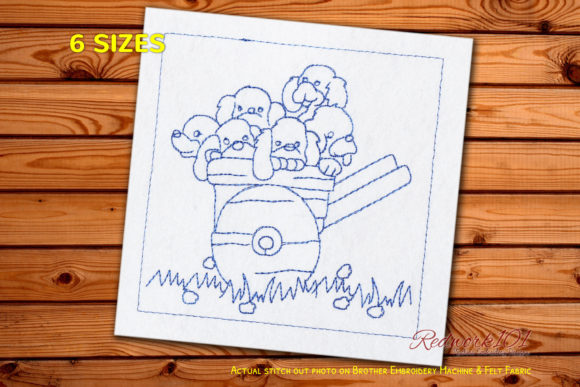
The Puppies in Trolley Lineart Design strikes a balance between playful and sweet. The line art style keeps the details light and airy, which makes it feel modern without losing the handmade warmth that buyers crave. It does not scream for attention; instead, it invites the viewer to smile. The puppies are gathered in a trolley, which naturally evokes ideas of rescue, family, togetherness, and a little bit of mischief. For a personalized gift, that emotional hook is gold. Whether the piece is destined for a nursery, a wedding shower, or a pet lover’s kitchen, the design feels personal before a single thread color is chosen.
The mood leans toward sweet and playful rather than romantic or seasonal. It is versatile enough to work year-round, and it does not lock you into a holiday theme. That is a huge advantage for an Etsy seller or small shop product line because you can keep the design in your active rotation for months without it feeling dated.
Using Puppies in Trolley Lineart Design for Personalized Gifts
I tested this embroidery file on several product types that are popular in my gift shop, and it performed well across the board. Here is where I see the strongest fit:
- Baby embroidery – The puppies are gentle enough for a baby blanket or nursery decor. The line art style does not overwhelm small items, and the design can be scaled down nicely for onesies or bibs.
- Wedding gift – Embroidered on a pillow cover or a set of kitchen towels, this design works for couples who love animals or have a playful side. It adds a personal, non-generic touch to wedding keepsakes.
- Family keepsakes – A blanket or a tote bag with the puppies in a trolley becomes a memory piece. It is the kind of design that makes people ask, “Where did you get that?”
- Personalized towels – The line art stitches cleanly on towel fabric when you use the right stabilizer. It adds a boutique feel to an everyday item.
- Nursery decor – The design fits naturally into a animal-themed nursery. It is not too babyish, so it can grow with the child.
- Tote bags and pillow covers – These are high-margin items for craft fairs and Etsy shops. The Puppies in Trolley Lineart Design stitches quickly, which keeps your production time efficient.
- Aprons – Perfect for a pet lover who loves to cook. The design sits well on an apron front without dominating the garment.
- Blanket embroidery – On fleece or cotton blankets, the design holds its shape and feels soft to the touch.
For custom order previews and printable mockup shots, the line art style photographs beautifully. It does not rely on heavy shading or dense fills, so it looks crisp in product photos. That is a major win for Etsy sellers who need listings to stand out.
Where to Use This Design Carefully
No design is perfect for every surface, and I always recommend testing before committing to a customer order. Here are the areas where I advise caution with Puppies in Trolley Lineart Design:
- Small lettering or delicate details – The line art includes fine lines that may not register well on very small hoops or tiny garments. If you scale the design down too much, you risk losing the puppies’ faces and the trolley structure. Always stitch a test sample at the intended size first.
- Textured fabrics – On heavily textured materials like fleece, bouclé, or nubby linen, the fine lines can get lost. The design works best on smooth or medium-texture fabrics.
- Thick towels – Terry cloth can swallow thin line art. Use a water-soluble stabilizer on top and a cutaway stabilizer underneath to keep the stitches visible.
- Stretchy baby clothes – Knits and stretchy materials require careful stabilization. The line art can distort if the fabric shifts during stitching. A good quality stabilizer and a test stitch are non-negotiable here.
- Curved surfaces – Items like caps, sleeves, or curved bags need extra attention. The design may need to be adjusted or hooped differently to avoid puckering.
- Dark fabric – The line art is typically stitched in a single color or a few thread colors. On dark fabric, you need a high-contrast thread color so the design does not disappear. Light colors pop beautifully, but test first.
- Products that need frequent washing – Baby blankets, towels, and kitchen items go through the wash often. Use quality thread and a sturdy stabilizer to ensure the design holds up. The line art style is less prone to thread breaks than dense fills, but it is not immune to wear.
One important note from the product description: The Box Stitch shown in picture is optional. The color of outer Box is different color in most of the designs unless it is part of the design itself, you can skip the color directly. This gives you flexibility. If you want a cleaner look, omit the box. If you want a framed effect, stitch it in a contrasting color. I found that skipping the box makes the design feel more open and airy, which works well on smaller items. Adding the box gives it a structured, finished look that suits pillow covers and wall art.
How This Design Affects Giftability and Perceived Value
In my experience, the Puppies in Trolley Lineart Design elevates the perceived value of any product it goes on. Because the line art is clean and well-proportioned, it looks like a premium handmade product rather than a mass-produced iron-on. Customers notice the detail. They notice that the stitches are even and the design is thoughtfully placed. That translates directly into customer trust and willingness to pay a higher price.
For giftability, this design hits a sweet spot. It is not so generic that it feels impersonal, and not so niche that it only appeals to a tiny audience. Dog lovers, animal lovers, parents, grandparents, and even people who just appreciate cute, well-made things will respond to it. When I showed a test stitch to a few customers, the reaction was immediate: “Oh, that is so sweet!” That emotional connection is what turns a product into a sale.
From a product photography perspective, the design is a dream. It photographs clearly without needing heavy editing. The line art reads well on camera, even in natural light. That makes listing creation faster and more consistent. For buyer engagement, the design invites questions: “Can you put names on it?” “What colors do you have?” That opens the door for upselling and custom orders.
If you are a small shop product creator or handmade seller, this design can become a workhorse in your catalog. It works for baby embroidery, wedding gift items, and everyday personalized gifts. It also fits into the Dogs category naturally, which helps with SEO on platforms like Etsy.
Practical Embroidery Notes Before You Sew
Before I add any design to my production lineup, I run through a checklist. Here is what I recommend for Puppies in Trolley Lineart Design:
- Test on scrap fabric – Always stitch a sample on fabric similar to your final product. Check the stitch quality, tension, and detail clarity.
- Check thread color contrast – The line art relies on clean, visible stitches. Choose a thread color that stands out against your base fabric. Light thread on dark fabric works beautifully.
- Confirm hoop size – Make sure the design fits comfortably in your hoop with enough margin for stabilization. A hoop that is too small can cause distortion.
- Review stitch density – Line art designs typically have lower stitch density than filled designs, but check the file to ensure there are no unexpected dense areas that could cause fabric puckering.
- Use proper stabilizer – For most applications, a cutaway stabilizer is ideal. For towels or stretchy fabrics, add a water-soluble topper to keep the stitches crisp.
- Compare light and dark fabric mockups – Stitch the design on both light and dark fabric samples so you can show customers realistic options. This also helps you decide which thread colors to stock.
- Check small details after stitching – Examine the puppies’ faces, the trolley wheels, and any fine lines. If any detail is lost, adjust your thread weight or scaling.
- Confirm commercial licensing – Before selling finished products featuring this design, verify the license terms. If the file does not specify commercial use, contact the designer or assume you need to purchase a commercial license. This is a critical step for any digital embroidery file you use for commercial embroidery.
I also recommend testing the optional box stitch. Some customers love the framed look, while others prefer the design loose. Having both options ready gives you flexibility in your custom order previews.
Final Thoughts from the Hoop
The Puppies in Trolley Lineart Design has earned a permanent spot in my shop. It is versatile, emotionally appealing, and practical to stitch. It fits the needs of baby product creators, wedding gift designers, digital product sellers, and anyone who runs a personalized gift business. The line art style feels fresh without being trendy, and the optional box stitching gives you a easy way to customize the look.
If you are an embroidery designer, Etsy seller, or small business owner looking for a design that works across multiple product categories, this is a strong candidate. Just remember to test, stabilize, and check your licensing before you go into production. With the right preparation, the Puppies in Trolley Lineart Design will serve you and your customers well for many orders to come.