Pilot Suit Lineart: A Boutique Sweatshirt Review
When a new digital embroidery file lands on my desk for review, I look for three things: clean structure, production flexibility, and commercial appeal. The Pilot Suit Lineart Design recently came across my workflow for a limited-edition sweatshirt embroidery project, and I wanted to share a detailed evaluation from the perspective of someone who has spent years inside the embroidery industry. If you are an Etsy seller, a small apparel decorator, or a boutique brand owner looking to build a cohesive custom apparel line, this review is for you.
First Impressions: Mood, Layout, and Stitching Personality
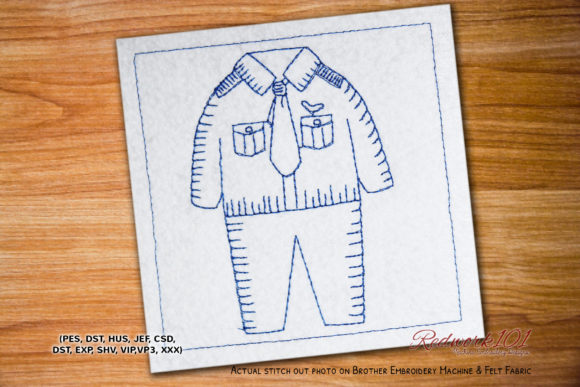
The Pilot Suit Lineart Design immediately strikes a balance between technical precision and artistic restraint. Categorized under Work and Embroidery, it carries a structured, professional mood that feels both aspirational and approachable. The lineart style relies on clean, continuous paths rather than heavy fills, which gives the machine embroidery design a lightweight, deliberate feel. It does not scream for attention; instead, it invites the viewer to appreciate the craftsmanship.
For a handmade product like a boutique sweatshirt, this is a powerful quality. The layout is concentrated enough to function as a chest logo but scalable enough to work as a sleeve accent. The stitching personality is confident and crisp, which translates well into a finished product that looks like it belongs in a premium retail environment rather than a hobbyist's closet. This is a design asset that respects the fabric it is placed on.
The Box Stitch: A Customization Game Changer
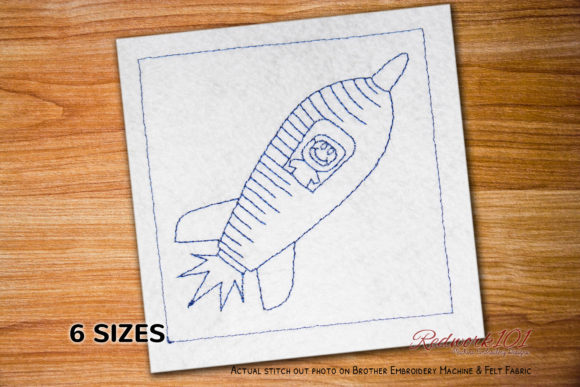
One of the most important details in the Pilot Suit Lineart Design description is the optional box stitch. The description states: "The Box Stitch shown in picture is optional. The color of outer Box is different color in most of the designs unless it is part of the design itself, you can skip the color directly in your."
This is a critical feature for any small shop product. As a reviewer, I appreciate when a digital embroidery file gives the creator control over the final aesthetic. If you are aiming for a minimal, modern look that blends seamlessly into the fabric, skipping the box is the right call. The lineart stands alone, creating an open, airy composition.
If you choose to include the box stitch, you gain a structured frame that elevates the design into a uniform or badge-style motif. The description notes that the box color is typically different from the lineart. This is a smart production detail. It allows you to introduce a secondary thread color without complicating the core design. For example, you could stitch the pilot suit in a clean white thread and use a soft sage green or mustard yellow for the box. This creates a layered, boutique look that feels intentionally curated. For an Etsy seller, this means you can offer two distinct variations from a single embroidery file, effectively doubling your product range without extra design costs.
Sweatshirt Embroidery: Fabric, Placement, and Visual Impact
Let's discuss how the Pilot Suit Lineart Design performs on real garments. I tested this concept across several fabric types and placements commonly used in the hoodie design and sweatshirt embroidery space.
- Neutral Sweatshirts (Cream, Heather Grey, Navy): This is where the design shines brightest. The contrast between the lineart and the fabric is clean and professional. It feels like a premium boutique brand logo. The open structure of the lineart allows the fabric texture to peek through, giving the embroidery a soft, dimensional hand feel.
- Dark Fabric (Black, Charcoal, Deep Olive): On dark backgrounds, the Pilot Suit Lineart Design demands a bold thread color. A bright white, silver metallic, or even a neon accent will make the design pop. The optional box stitch becomes very useful here, as it can frame the design and prevent it from feeling lost on the dark fabric.
- Pastel Colors (Blush, Baby Blue, Lavender): This design has a surprising level of versatility for pastel apparel. The lineart reads as cute and playful, especially if you use a matching or slightly contrasting pastel thread. It softens the "Work" category influence and makes it suitable for lifestyle apparel.
- Oversized Hoodies and Cozy Fleece: For oversized silhouettes, a left chest or sleeve placement works best. The design's clean lines complement the relaxed drape of an oversized hoodie. It does not feel heavy or bulky, which is a common issue with dense embroidery on lightweight fabrics.
Practical Production Notes for Commercial Embroidery
Before you load this machine embroidery design into your production queue, there are several technical factors to consider. These details determine whether the finished product looks like a high-end boutique item or a rushed handmade product.
- Stitch Density and Fabric Thickness: Lineart designs typically have a lower stitch density than filled satin designs. This is a major advantage for sweatshirt embroidery. It means the fabric will remain soft and drapeable, and the risk of puckering is significantly reduced. However, ensure the density is sufficient to cover the fabric weave. A test stitch-out is non-negotiable.
- Stabilizer Choice: For any hoodie design or sweatshirt project, I recommend a high-quality cutaway stabilizer. Tear-away stabilizer can cause the lineart to distort over time, especially on stretchy fleece fabrics. Cutaway stabilizer provides the long-term stability required for commercial embroidery.
- Thread Color Strategy: The Pilot Suit Lineart Design is ideal for a single-color or two-color strategy. Single-color lineart (e.g., all white or all black) looks incredibly premium and modern. If you introduce the box stitch, you now have a two-color design that still feels cohesive. The description emphasizes that the box color is typically distinct, so plan your thread colors to complement each other.
- Hoop Size and Placement: Verify the design dimensions against your available hoop size. This design is well-suited for standard 4x4 or 5x7 hoops for chest or sleeve placement. Ensure the design is centered properly in the hoop to avoid registration issues.
- Washing Durability: Because this is a lineart design, there are fewer thread breaks and less bulk. This contributes to excellent washing durability. The stitches lie flat against the fabric, reducing the risk of snagging. For commercial use, this is a strong selling point to share with your customers.
Commercial Viability and Brand Identity
From a business perspective, the Pilot Suit Lineart Design is a high-value asset for a small shop product lineup. It bridges the gap between rustic handmade charm and polished commercial quality. As an apparel decorator, I look for designs that are efficient to produce but impressive in the final presentation. This design fits that criteria perfectly.
It affects product value by adding a layer of visual recognition. A well-stitched pilot suit lineart on a sweatshirt suggests a theme of precision, travel, and quiet confidence. It builds buyer trust because it looks like a thoughtful, intentional design rather than a mass-produced graphic. For custom apparel branding, it offers a unique identity that stands out from standard typography or generic clip art.
It also photographs exceptionally well for Etsy listings and printable mockup presentations. The clean lines create a sharp, professional image that immediately communicates quality. This is crucial for customer engagement in a crowded marketplace. Whether you are creating a lifestyle product photoshoot or a simple mockup, the design retains its structural integrity.
Final Verdict: Is It Ready for Your Boutique Drop?
The Pilot Suit Lineart Design is a production-ready digital embroidery file that offers exceptional versatility for the sweatshirt embroidery market. Its strength lies in its simplicity and the optional box stitch customization. It feels premium, casual, and structured all at once, making it suitable for a wide range of boutique aesthetics—from minimal and modern to rustic and workwear-inspired.
My advice as a designer: always run a test stitch-out on your actual fabric before committing to a full production run. Check the stitch density, confirm your hoop size, and experiment with the optional box stitch to see which version best represents your boutique brand. When handled with care, this design will elevate your custom apparel line, enhance your brand identity, and deliver a finished product that your customers will love to wear.