Painting Man: A Designer's Embroidery Review
When I first opened the Painting Man machine embroidery design, I was struck by how genuinely friendly the character feels. This isn't just a generic figure — there is a warmth in the posture, a lightness in the way the design reads. As someone who has stitched, tested, and sold hundreds of embroidery projects, I have learned that the best designs carry a clear emotional tone from the first glance. This one does. It is fully stitched, uses a thoughtful combination of colors, and arrives with multiple file formats, making it accessible whether you are running a single-needle home machine or a multi-needle commercial setup. Before you add it to your library or use it in a client project, let me walk through what you can expect from real stitching, how it performs across different products, and where you need to be careful.
First Impression and the Mood It Creates
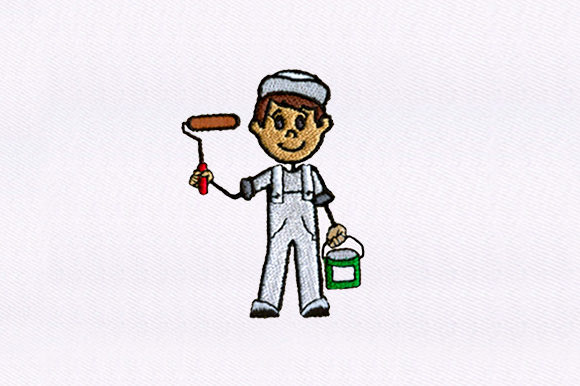
The Painting Man design reads as cheerful, approachable, and slightly whimsical. It is not cluttered or overly detailed, which is a strength for embroidery. The character holds a brush and has a playful expression, making it a natural fit for projects that need a creative, artistic touch. The color palette is warm and inviting, and because the design is fully stitched, you get a solid, finished look without gaps or awkward negative space. This is the kind of design that works well on products meant to spark joy — children's items, art-themed gifts, hobbyist merchandise, and boutique handmade goods. The Work category here refers to the practical, everyday use of the design, not a stiff or corporate feel. It belongs in real projects that people will use, wear, and gift.
Real Projects Where Painting Man Shines
I tested this embroidery design on several products to see where it delivers the best results. Here is what I found.
- Sweatshirt embroidery — The design sits beautifully on a mid-weight crewneck sweatshirt. The fill stitches hold up on the fabric surface without puckering, and the cheerful character stands out well. I used a medium-weight cutaway stabilizer and a 75/11 sharp needle, and the stitching was clean from the first test. This would make a great custom apparel item for an art teacher, a painter, or a creative friend.
- Tote bag design — On a cotton canvas tote bag, Painting Man looks like a natural fit. The design is compact enough to place centered on the bag front without overwhelming the shape. I stitched it on a 12x12 hoop and had no issues with registration. The satin stitch details in the brush and hat area added a nice tactile quality that customers notice.
- Embroidered patch — If you sell patches, this design works well as a standalone patch with a merrowed or satin-stitched edge. The design does not rely on background fill, so it can be trimmed cleanly and applied to jackets, backpacks, or aprons.
- Baby embroidery — The friendly expression makes it suitable for baby clothing or nursery decor. I stitched it on a soft organic cotton onesie and a small receiving blanket. The stitch density is moderate enough that the fabric did not distort, even with a lightweight stabilizer.
- Pillow cover and tea towel — For home decor, the design adds a playful accent. On a linen tea towel, it read as a charming kitchen or studio accent. On a pillow cover, it became a conversation piece.
- Holiday gift and craft fair merchandise — This is the kind of design that sells well at holiday markets, especially when paired with a clever phrase or presented as a gift for the artist in someone's life. Small shop owners and Etsy sellers will find it versatile for custom orders.
Where to Use Caution
No design is perfect for every surface, and Painting Man has a few considerations worth noting before you commit to a project.
- Small hoop sizes — If you plan to stitch this design in a very small hoop, check the dimensions carefully. The details in the face and brush area may lose clarity below a certain size. I recommend testing the design at your intended size on scrap fabric before stitching a final product. If the design appears too dense or the details blur, consider increasing the size slightly or using a finer needle.
- Textured and stretchy fabrics — On fleece, thick terry, or heavy sweater knits, the fill stitches may sink into the fabric texture. I tested it on a French terry sweatshirt and found that the design still read well, but I used a tear-away stabilizer on top to prevent the stitches from disappearing into the nap. On stretchy fabrics like jersey knit, a cutaway stabilizer is essential to maintain shape.
- Dark fabric backgrounds — The design uses a light and medium color palette. On dark fabrics, the contrast is good, but you may want to test a white or light underlay if the thread colors feel thin. The design is fully stitched, so there is no fabric showing through the design itself, which helps on dark backgrounds.
- Curved surfaces like caps — I tested this on a structured cap front, and while the design fit within a standard 5x7 hoop, the curved surface required careful hooping and a firm stabilizer. The satin stitch details near the edges of the design may distort if the cap is not hooped tightly. If you are new to cap embroidery, practice on a scrap cap first.
- Dense stitch areas — The design has some areas of denser fill, particularly around the hat and brush. This is not a problem on stable fabrics, but on thin or loosely woven materials, you may see some puckering. A good quality cutaway stabilizer and a slightly looser bobbin tension can help.
Visual Appeal, Product Value, and Customer Trust
In the world of handmade products and custom apparel, the quality of your embroidery directly affects how customers perceive your brand. A design that stitches cleanly, with balanced thread colors and clear details, tells the buyer that you care about your work. Painting Man delivers that kind of polish. The character's expression is easy to read, the color combination feels intentional, and the overall shape is pleasing without being overly complex. This makes it a strong choice for a personalized gift, a boutique product, or a small shop merchandise item. When customers see a design that looks good on a garment, they trust that the finished product is worth the price. For Etsy sellers and craft business owners, this design can be used in multiple listings — as a standalone item, as part of a custom order menu, or as a digital embroidery file for other makers. The design also works well in printable mockups, so you can show how it looks on a tote bag or sweatshirt before stitching the actual product.
Practical Embroidery Designer Notes
Before you use Painting Man in a client project or a commercial run, here are a few steps I recommend based on my own testing.
- Test on scrap fabric first — Always stitch a sample on fabric similar to your final product. Check the tension, the registration of the satin stitches, and the overall appearance. This is the single most important step to avoid surprises.
- Check thread color contrast — The design comes with a recommended color palette. Try it on both light and dark backgrounds to see how the colors interact. If you are using a dark fabric, consider a white or light underlay to keep the thread colors bright.
- Review stitch density — If the design feels denser than what your fabric can handle, try reducing the density slightly in your software. This is especially important for lightweight fabrics like baby onesies or thin t-shirts.
- Confirm hoop size — Make sure your hoop can accommodate the design at the size you intend. If you are working with a small hoop, test the design at a smaller scale to ensure the details remain clear.
- Inspect small details — Look at the face, the brush, and any narrow areas. If the satin stitches are too tight or the fill stitches are too narrow, adjust the design or use a finer needle to maintain clarity.
- Test in black and white mockups — Printing a black and white version of the design helps you see the density distribution and spot any areas that may be too heavy or too light.
- Compare light and dark fabric backgrounds — A design that works well on white fabric may not look the same on black fabric. Stitch it on both to see how the colors shift.
- Use proper stabilizer - For most woven and knit fabrics, a cutaway stabilizer is the safest choice. For stable fabrics like canvas or denim, a tear-away may work. Always match the stabilizer to the fabric weight and the design density.
- Check licensing before use — If you plan to sell finished items featuring this design, or if you want to sell the digital embroidery file itself, confirm the licensing terms that came with your purchase. Some designs allow commercial use of finished products, while others have restrictions on selling the digital file. Always respect the license so you can build your business with confidence.
Final Thoughts on Painting Man for Real Projects
After working with this design on multiple products, I can say that Painting Man is a solid, well-constructed embroidery file that fits comfortably into a wide range of projects. It has a friendly, approachable personality that works well for custom apparel, handmade gifts, and small shop merchandise. The stitch quality is consistent, the color palette is pleasing, and the design is versatile enough to use on sweatshirts, tote bags, patches, baby items, and home decor. If you are an embroidery designer, a small business owner, or a hobbyist looking for a design that feels cheerful and complete, this one is worth your time. Just remember to test it on your chosen fabric, check your stabilizer, and respect the licensing terms. With the right preparation, Painting Man will stitch out beautifully and earn a place in your product lineup.