Wavy Malaysia Flag Redwork – Project-Ready Review
Every time I open a new embroidery file, I am looking for a few things right away. Does the design feel balanced? Will it stitch cleanly on real fabric? Can I sell the finished product with confidence? When I first loaded the Wavy Malaysia Flag Redwork, I was curious how a flag motif done in a redwork style would hold up in actual production. After stitching it out on several different blanks and testing it across a few project types, I want to share what I found. This is not a product description. This is a practical evaluation from someone who has digitized, edited, and stitched hundreds of designs for clients, small shops, and personal projects.
First Look and the Mood It Carries
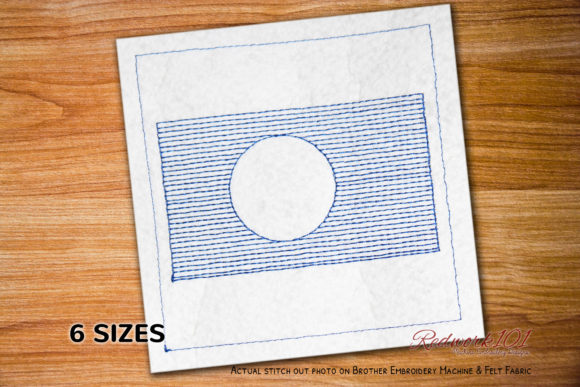
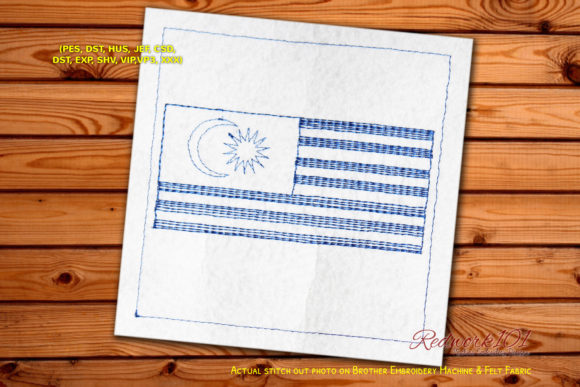
The Wavy Malaysia Flag Redwork has a clean, graphic feel. The waving motion gives the flag a sense of movement without making the design busy or hard to read. Redwork, by nature, relies on line work and open areas, so the flag shape reads clearly even at a distance. The wavy lines add a soft, flowing energy that feels festive without being loud. It is a design that leans toward a classic, hand-drawn look rather than a stiff, digital appearance. That matters when you are selling handmade products because customers respond to warmth and personality.
The design naturally fits the Independence Day theme, but it does not feel limited to that one occasion. The redwork style makes it suitable for year-round projects where a subtle national motif is appropriate. The optional box stitch around the design is worth noting. The box is a separate color, and you can skip it entirely if you prefer a freestanding shape. That flexibility is useful when you want to place the flag on a small item like a cap or a baby onesie where extra framing might crowd the layout.
A Real Project Test – Independence Day Tote Bags for a Small Shop
I recently worked on a small batch of custom tote bags for a local shop preparing for an Independence Day market. The shop wanted something that felt polished but not overly commercial. I suggested the Wavy Malaysia Flag Redwork because the redwork style looks more like a hand-stitched illustration than a mass-produced patch. We stitched it on natural cotton canvas tote bags in a medium hoop size. The result was exactly what they were after. The flag stood out clearly, the wavy lines added a gentle sense of motion, and the overall feel was approachable and handmade.
Customers at the market responded well. Several people commented that the design looked like it had been drawn directly onto the fabric. That is the kind of reaction you want when you are selling handmade products. The redwork style builds trust because it does not look like a cheap digital print. It looks like someone took time to stitch it. For a small business owner, that translates into higher perceived value and better sales.
Where This Design Performs Best
After testing the Wavy Malaysia Flag Redwork on several fabric types and product formats, I can say it performs best on medium-weight woven fabrics and stable knits. Here are the applications where it really shines:
- Custom apparel: Sweatshirts and t-shirts in cotton or cotton blends stitch up beautifully. The redwork lines are not too dense, so the fabric retains its softness.
- Tote bags and aprons: The design reads well on a structured surface. It becomes a focal point without overwhelming the item.
- Embroidered patches: Because the design has a clear outline and open interior areas, it works well as a patch. You can stitch it onto twill or felt and then trim closely.
- Pillow covers and tea towels: Home decor items benefit from the clean, graphic look. The wavy motion adds a soft touch that fits a casual or festive home style.
- Baby items: Onesies and bibs work if you keep the hoop size appropriate. The design is not too heavy, so it does not weigh down lightweight fabric.
- Holiday gifts and personalized items: The Independence Day connection makes it a natural choice for gifts, but the redwork style also works for general patriotic projects.
For Etsy sellers and digital product creators, this design is a strong addition to a holiday collection. It stitches out quickly, which matters when you are producing multiple items for a craft fair or a custom order batch.
Where to Use with Care
No design works everywhere, and the Wavy Malaysia Flag Redwork has a few limitations worth knowing before you commit to a project. The wavy lines are the main feature, so if you shrink the design too much, those curves can become muddy or lose their shape. I recommend testing it at your intended size on scrap fabric first, especially if you are working with a small hoop.
- Small hoop sizes: If you go below a certain size, the wavy detail may not read clearly. The design relies on open space and line variation, so give it enough room to breathe.
- Textured or thick fabrics: Heavy fleece, thick sweatshirt material, or loosely woven fabrics can distort the wavy lines. Use a firm stabilizer and test a sample before stitching the final product.
- Thin or stretchy fabric: Lightweight knits and stretchy materials require careful stabilization. The redwork lines can pull if the fabric shifts during stitching.
- Dark fabric: The design uses line work, so on dark backgrounds, you need a thread color that provides strong contrast. White, silver, or a bright accent color can work, but test the visibility first.
- Curved surfaces like caps: The wavy shape can be stitched on a cap, but the placement needs to be centered and the design should not be too large. Cap hoops limit your space, so check the fit before digitizing.
- Dense stitch areas: The interior of the flag is mostly open, but if you add the optional box stitch, the density increases. That can affect how the fabric drapes, especially on lightweight items.
If you are planning to use this design on products that need frequent washing, like kitchen towels or baby bibs, test the thread color for washfastness. Redwork designs often use a single color, so if that color fades, the entire design loses impact.
How It Affects Product Value and Customer Trust
When you sell a handmade product, every detail contributes to how the buyer perceives your work. The Wavy Malaysia Flag Redwork helps build a professional, thoughtful image because it looks deliberate. The wavy lines are not random. They follow a consistent flow that feels intentional. That kind of visual clarity signals to a customer that you care about quality.
For shop owners and Etsy sellers, this design is easy to photograph and present in listings. The clean lines show up well in product photos and printable mockups. You can pair it with natural fabrics, neutral backgrounds, and simple styling to create a cohesive brand look. The redwork style also works well in black and white mockups, which is useful if you are testing layout options before stitching.
Customers who buy Independence Day gifts or decor often look for something that feels special but not overly commercial. This design hits that balance. It is recognizable as a flag, but the wavy redwork treatment gives it a handcrafted feel that stands out from mass-produced items. That translates into better giftability and higher customer satisfaction.
Practical Notes Before You Stitch
Before you use the Wavy Malaysia Flag Redwork in a client project or a commercial product, take a few minutes to prepare. These steps save time and materials:
- Test on scrap fabric first. Stitch the design on a piece of fabric similar to your final project. Check the stitch quality, thread tension, and overall shape.
- Review thread color contrast. The design works best when the thread color stands out clearly from the fabric. Test both light and dark backgrounds if you are unsure.
- Check stitch density. The redwork style is typically light, but if you add the optional box stitch, the density increases. Make sure your stabilizer can handle it.
- Confirm hoop size. Measure the design dimensions and compare them to your hoop capacity. Do not try to squeeze a large design into a small hoop.
- Inspect small details. If the design has any fine lines or tight curves, zoom in and check that they will stitch cleanly at your chosen size.
- Test in black and white mockups. This helps you see the overall shape and balance without being distracted by color. It also helps you plan placement on the finished product.
- Use proper stabilizer. For woven fabrics, a medium cutaway stabilizer works well. For knits, use a stabilizer that provides enough support without adding bulk.
- Confirm licensing before selling. If you are using this design for commercial embroidery projects, digital product sales, or finished items, verify that your license covers those uses. This protects your business and your customer relationships.
These steps are standard for any embroidery file, but they are especially important for a design like this one, where the wavy lines are the main visual feature. A small mistake in tension or stabilization can distort the entire look.
Final Thoughts on the Design
The Wavy Malaysia Flag Redwork is a solid addition to any embroidery library, especially if you work with Independence Day projects, custom apparel, or handmade gift items. The redwork style gives it a timeless, hand-drawn quality that customers notice and appreciate. The optional box stitch adds versatility, but the design stands strong on its own. If you are a small business owner, Etsy seller, or craft entrepreneur looking for a flag design that feels personal and professional, this one is worth testing. Just remember to check your hoop size, test your fabric and stabilizer combination, and confirm your licensing before you start stitching. That way, you can focus on creating finished products that look great and sell well.