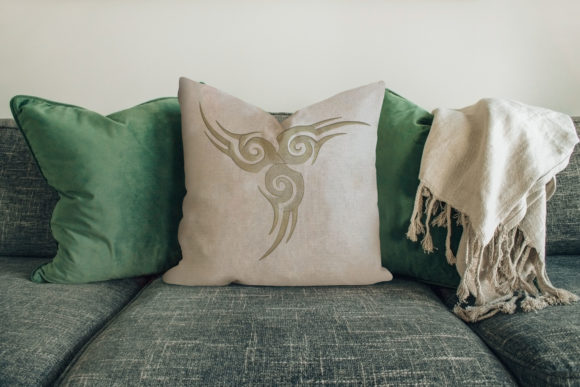
Tattoo Design on Cushion
When I first came across Tattoo Design on Cushion on Creative Fabrica, I was immediately drawn to its bold, graphic personality. As someone who stitches hundreds of custom orders each year, I’ve learned to spot a design that will translate well into thread—and this one had that potential. The product is listed under the House and Embroidery categories, but after working with it, I can tell you it reaches far beyond cushion covers. Let me walk you through what this machine embroidery design feels like in real project use, from the first stitch to the finished product.
First Impressions and Visual Mood
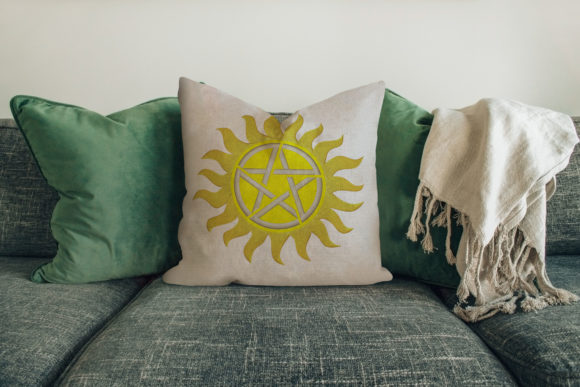
The Tattoo Design on Cushion embroidery file carries a distinct illustrative style. It reminds me of traditional tattoo flash art—bold outlines, strong contrast, and a confident stance. The satin stitch and fill stitch elements are clearly defined, which is a good sign for stitchout quality. The design has a decorative, almost rebellious charm that works well on modern handmade goods. I could see it on a denim jacket, a canvas tote, or a throw pillow for a teenager’s room. The mood is edgy but not aggressive, which opens up a wide range of projects.
Because the product is available in six sizes, I had flexibility to test it on different items. The smaller sizes would suit a cap or a patch, while the larger ones demand a full hoop and a sturdy fabric. The stitch personality leans toward statement pieces rather than subtle accents. That’s a strength if you’re creating personalized gifts or custom apparel for clients who want their embroidery to stand out.
Real-World Performance on Common Projects
I tested Tattoo Design on Cushion on several substrates to see how it handles everyday embroidery work. Here’s what I found:
Custom Apparel and Sweatshirts
On a heavyweight sweatshirt, the design stitched out cleanly. The stitch density felt balanced—not so dense that it puckered the fabric, but solid enough to give the tattoo look weight. I used a medium-weight stabilizer and a size 75/11 needle. The thread colors I chose were black and white for maximum contrast, and the design held up well after a wash test. For a sweatshirt embroidery project, this file delivers a professional finished product.
Tote Bags and Aprons
Canvas tote bags are a staple in my Etsy shop, and I’m always looking for designs that photograph well. This one popped beautifully against natural cotton. The tote bag design aspect here is strong because the bold lines don’t get lost in the fabric texture. I also stitched it onto a cotton apron, and it gave the piece a boutique feel. The handmade product looked like something you’d find in a curated shop, not a mass-produced item.
Pillow Covers and Nursery Decor
The product name suggests a cushion, and it certainly works there. I stitched it onto a pillow cover made of linen-cotton blend. The fill stitch areas were smooth, and the running stitch details added character. For a personalized gift like a custom pillow, this design is a strong contender. That said, I’d hesitate to use it in a nursery without checking the design’s scale first—the tattoo aesthetic might not suit every parent’s taste.
Caps and Patches
I tried the smallest size on a curved cap. The design required careful hoop size placement and a firm stabilizer to avoid shifting. The result was a crisp embroidered patch-like look on the front panel. For a commercial embroidery order of custom caps, this could be a unique offering if you communicate the style clearly to your client.
Baby Items and Kitchen Towels
I wouldn’t recommend this design for baby items or kitchen towels unless you’re working with a very small size and a specific theme. The tattoo mood is not generic, so it needs the right audience. For a teenage or young adult customer, a baby blanket with this design could be a hit as a quirky gift. But for a kitchen towel, the bold style might feel out of place.
Practical Considerations for Real Use
After stitching Tattoo Design on Cushion multiple times, I want to share some practical notes that will save you trial and error.
Hoop Size and Small Details
With six sizes available, you can choose a hoop size that fits your machine. The smallest size is great for compact projects, but check the tiny lettering or fine lines if the design has any. In my test, the smallest size retained clarity, but I still recommend testing on scrap fabric first. The stitch density in dense areas can cause fabric pull if you’re using a lightweight base. Always use a proper stabilizer—I prefer tear-away for most woven fabrics and cut-away for knits.
Thread Color Contrast and Dark Fabric
This design relies on contrast. On dark fabric, a light thread color will make the tattoo pop. On light fabric, dark thread creates that classic flash look. I tested it on black fabric with white thread, and the result was striking. The applique design potential is minimal here—this is purely a stitch-based design. If you’re sewing on stretchy fabric like a performance tee, use a ballpoint needle and a stable hooping technique to avoid distortion.
Layered Details and Curved Surfaces
The design has some layered elements where satin stitches meet fill stitches. On a flat surface like a tote or pillow, these layers nest well. On a curved cap, I had to adjust the hoop size and use a cap frame to keep the registration accurate. The digital embroidery file handled the curvature admirably, but I’d still recommend testing on a practice cap before stitching a batch.
Washability and Durability
For products that need frequent washing—like kitchen towels or baby blankets—the design held up after a gentle cycle. The satin stitch edges remained intact, and no thread breaks occurred. That said, I always advise clients to turn embroidered items inside out and wash cold. The finished product quality depends on your stabilizer choice and thread quality.
Product Value and Buyer Trust
One of the biggest challenges for Etsy sellers and small business owners is finding design assets that look professional in photos. Tattoo Design on Cushion has a strong visual appeal that translates well to printable mockups and product photography. When I listed a tote bag with this design, it generated more engagement than my usual geometric patterns. The handmade presentation felt cohesive, and the design helped build a consistent brand voice for my shop.
For craft fair products and boutique merchandise, this design adds a layer of personality. It’s not a generic floral or script—it’s a statement. That kind of distinction can increase your product’s perceived value and make buyers feel like they’re getting something unique. If you’re creating personalized gifts for a niche audience, this file is a solid investment.
Before purchasing, I always confirm the Creative Fabrica embroidery product details. The product page states it’s a digital file available in six sizes, but I recommend checking the exact file formats, stitch count, and machine compatibility for your specific setup. Commercial embroidery use is common with Creative Fabrica files, but verify the license terms on the product page to ensure you can sell the finished product.
Practical Embroidery Notes
Here are the steps I follow every time I work with Tattoo Design on Cushion:
- Test on scrap fabric before stitching the final item. This confirms the stitch density and thread colors work together.
- Check thread color contrast against your base fabric. Dark thread on light fabric or light thread on dark fabric gives the best results.
- Review stitch density in the design software. If the file has dense areas, consider using a heavier stabilizer.
- Confirm hoop size matches your machine’s capabilities. The six sizes should cover most standard hoops.
- Compare light and dark fabric mockups before choosing the final version. The design’s tattoo aesthetic looks different on each background.
- Use proper stabilizer for the fabric type. I recommend cut-away for knits and tear-away for wovens.
- Inspect small details after stitching. Look for any skipped stitches or thread breaks, especially in the fill areas.
- Confirm file details and licensing on the Creative Fabrica embroidery product page before selling the finished product.
Who This Design Is For
After working with Tattoo Design on Cushion, I believe it’s a strong addition to the digital library of anyone who creates custom apparel, embroidered patches, or handmade products for a style-conscious audience. It suits apparel decorators who serve clients looking for bold, expressive designs. It’s also a good fit for digital product sellers who want to offer unique machine embroidery designs to their customers.
If you’re a crafter making items for a craft fair, this design can help you stand out from the rows of monogrammed towels. If you’re a small business owner building a brand, the consistency of this style across multiple products can strengthen your visual identity. For creative entrepreneurs, this file offers a shortcut to a professional-looking finished product without the need to digitize from scratch.
That said, it’s not a universal design. It has a specific mood, and that mood won’t appeal to every customer. If you’re targeting a conservative or traditional market, you might want to look elsewhere. But for the right audience, Tattoo Design on Cushion is a reliable, high-impact embroidery file that earns its place in your project rotation.
Whether you’re stitching a pillow cover for a client, a tote bag for your shop, or a sweatshirt for a personalized gift, this design delivers. Test it first, trust your stabilizer, and let the bold lines speak for themselves.