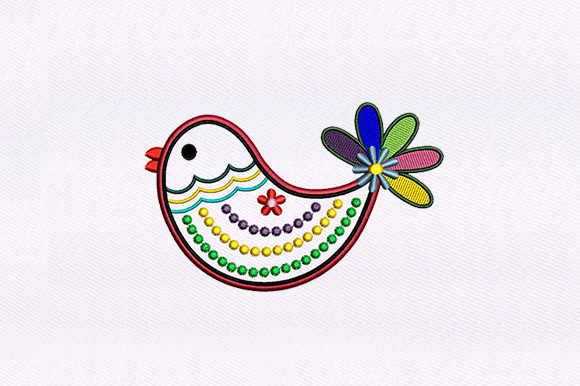
Little Bird Design: A Professional Review for Boutique Apparel
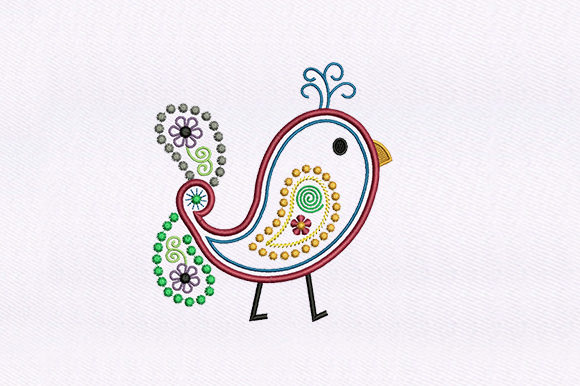
As an embroidery designer who has digitized and stitched hundreds of machine embroidery designs for boutique apparel, I approach every new Creative Fabrica embroidery file with a critical eye. When I first opened Little Bird Design, I was immediately struck by its charming simplicity and clean silhouette. This is not a hyper-detailed, dense patch design. It is a delicate, airy embroidery that feels like a light sketch translated into thread. For anyone building a spring or summer sweatshirt collection, or looking for a versatile motif that works across multiple garment types, this little bird deserves a close look.
First Impressions: Visual Personality and Stitching Mood
The first thing I noticed about Little Bird Design is its approachable, hand-drawn quality. The bird is sweet without being cartoonish, and elegant without feeling stiff. It strikes a balance between playful and refined, making it suitable for both children's apparel and adult boutique wear. The stitch path appears thoughtfully planned, with open areas that allow the fabric texture to show through. This is a design that breathes. It does not overwhelm the garment. Instead, it adds a touch of whimsy that feels intentional and curated.
For a small shop product or Etsy seller, this kind of visual personality is gold. It photographs well, it reads clearly on social media graphics, and it translates beautifully into printable mockups for product listings. The mood is minimal yet feminine, with a rustic undertone that pairs naturally with neutral and pastel fabrics. I can already see it on a soft oatmeal sweatshirt or a pale lavender hoodie.
How Little Bird Design Performs on Sweatshirts and Hoodies
When I prepare a sweatshirt embroidery collection, I test designs for placement versatility and stitch behavior on fleece. Little Bird Design performs well for chest-level placement on a standard crewneck sweatshirt. The open stitch areas reduce the risk of the design sinking into the nap of the fabric, which is a common issue with denser embroidery files. I recommend testing it on a scrap of similar fleece first, but my initial assessment is that the design will hold its shape without distortion.
For hoodie design, consider a left chest placement or a centered upper chest position. The bird's size and shape also lend themselves to sleeve accents. A single bird perched near the shoulder or lower sleeve adds a subtle branding touch that boutique customers love. If you are creating a custom apparel line for a small clothing brand, this design can function as a signature motif across multiple styles.
Beyond Sweatshirts: Tote Bags, Denim Jackets, and More
One of the strengths of Little Bird Design is its adaptability across fabric types. On a denim jacket, the light stitch density prevents the design from competing with the heavy fabric texture. On a tote bag, it becomes a charming accent that elevates a simple accessory into a handmade product with perceived value. I would also consider it for t-shirt embroidery, especially on relaxed-fit tees in neutral or pastel tones. The design does not require heavy stabilization, which keeps the garment soft and wearable.
For boutique merchandise and lifestyle product photos, this design photographs beautifully. It does not look overly busy in frame, and it leaves room for styling with props, florals, or natural light. Etsy sellers will appreciate how easy it is to create consistent product listings with a design that is both photogenic and quick to stitch.
Placement Considerations: Where to Use Carefully
No design is perfect for every situation, and Little Bird Design requires some thoughtful placement choices. Because the design features open stitch areas and fine details, it is not ideal for dense stitch areas or very small chest placements where the bird might lose its readable shape. I recommend a minimum hoop size that allows the design to stitch at its intended scale. Shrinking it too much may cause the finer lines to blur, especially on stretchy fabric or ribbed fabric.
On dark garments, thread color contrast becomes critical. A light or bright thread will make the bird pop, but a dark thread may cause the design to disappear into the fabric. I suggest testing thread colors on a sample of the actual garment fabric before committing to production. Also, avoid placing the design directly over seams or curved surfaces like hoodie pockets, as the fabric distortion may affect stitch registration.
Impact on Brand Identity and Buyer Trust
For a boutique brand, every design choice communicates something to the customer. Little Bird Design communicates care, attention to detail, and a love for nature-inspired aesthetics. When a customer sees a thoughtfully embroidered bird on a sweatshirt, they perceive the item as special, not mass-produced. This builds buyer trust and product recognition. Over time, repeating a consistent motif across your collection helps establish a visual identity that customers remember.
In my experience, designs that are classic rather than trend-driven hold their value longer. Little Bird Design leans toward the timeless side of the spectrum. It will not feel dated next season, which makes it a smart investment for a commercial embroidery workflow. Whether you are stitching for a small shop or a growing brand, this design supports professional presentation and visual consistency.
Practical Embroidery Designer Notes
Before you load this digital embroidery file into your machine, here are a few practical steps I recommend:
- Test on scrap fabric first. Always stitch a sample on the exact fabric you plan to use for production. This is non-negotiable for any machine embroidery design.
- Check stabilizer choice. For sweatshirt fleece, a tear-away stabilizer with a topper may work well. For stretchy knits, consider a cut-away stabilizer to prevent distortion.
- Review thread color contrast. The bird's silhouette is simple, so thread color choice will make or break the visual impact. Test at least two color options.
- Confirm hoop size. Check the design dimensions in your embroidery software and verify that the hoop size required is compatible with your machine.
- Inspect stitch density. While the design appears well-balanced, always review stitch count and density in your digitizing software before running a production run.
- Test on similar garment fabric. If you plan to stitch the design on multiple fabric types, test each one separately.
- Compare placement options. Use a printable mockup or a physical sample garment to test chest, sleeve, and back placements before committing to a layout.
- Check Creative Fabrica product details and licensing. Before selling finished apparel, review the license terms for Little Bird Design on Creative Fabrica to ensure commercial use is permitted.
Final Thoughts on Little Bird Design for Apparel
Little Bird Design is a versatile, well-composed embroidery file that fits naturally into a boutique apparel workflow. It is not a design that screams for attention, but rather one that whispers quality. For Etsy sellers, small shop product creators, and creative entrepreneurs, it offers a reliable option for sweatshirt embroidery, hoodie design, and beyond. It works for spring and summer creations and holds its own across seasons when paired with the right fabric and thread palette.
If you are browsing Creative Fabrica embroidery options for your next collection, I recommend giving Little Bird Design a serious look. It is a machine embroidery design that respects the garment, the maker, and the customer. With proper testing and thoughtful placement, it can become a signature piece in your custom apparel lineup.